
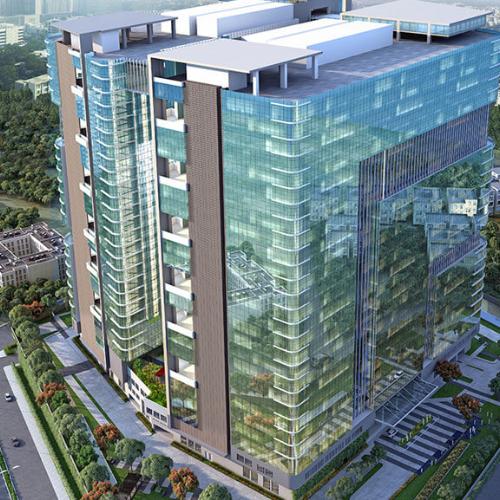
As businesses grow, their operational needs evolve. Whether it’s hiring more employees, increasing customer reach, or expanding into new markets, having the right commercial space plays a critical role in long-term success. Commercial real estate is more than just a workplace—it is a strategic asset that supports business growth and creates opportunities for expansion.
1. Provides Room for Growth
One of the biggest advantages of commercial real estate is the ability to accommodate a growing workforce and expanding operations. As companies scale, they often require larger office spaces, meeting rooms, storage facilities, and dedicated departments. A well-planned commercial property provides the flexibility needed to support future growth without frequent relocations.
2. Enhances Brand Image
A premium commercial location can significantly improve a company’s professional image. Clients, partners, and investors often form their first impression based on the business environment. A modern office in a prime commercial district reflects credibility, stability, and professionalism, helping businesses build trust and attract new opportunities.
3. Improves Employee Productivity
The work environment directly impacts employee performance. Spacious layouts, modern infrastructure, better connectivity, and access to essential amenities contribute to a productive workplace. Businesses operating from well-designed commercial spaces often experience improved employee satisfaction, collaboration, and efficiency.
4. Access to Strategic Locations
Commercial properties are often located in business hubs with excellent connectivity, transportation access, and surrounding infrastructure. Being situated in a strategic location makes it easier to reach customers, attract talent, and build valuable business relationships. This accessibility can become a major advantage when entering new markets.
5. Supports Operational Efficiency
A suitable commercial property enables businesses to streamline operations. From dedicated workstations and conference rooms to parking facilities and advanced technology infrastructure, commercial spaces are designed to support day-to-day business activities efficiently. This operational advantage allows organizations to focus more on growth and less on logistical challenges.
6. Creates Long-Term Business Stability
Owning commercial real estate provides businesses with greater control over their operating environment. Unlike leased spaces, owned properties eliminate concerns about rental increases or lease renewals. This stability allows companies to plan long-term strategies with confidence and predictability.
7. Generates Additional Income Opportunities
Commercial real estate can also serve as a revenue-generating asset. Businesses that own larger properties may lease unused space to other organizations, creating an additional income stream. This can help offset operational costs while maximizing the value of the property.
8. Strengthens Investment Value
Commercial properties located in developing business districts often appreciate over time. As infrastructure improves and demand increases, property values may rise, creating long-term wealth for business owners. This dual benefit of operational use and asset appreciation makes commercial real estate a powerful business tool.
Conclusion
Commercial real estate plays a vital role in business expansion by providing the space, infrastructure, and stability required for growth. Whether a company is looking to enhance its brand presence, improve operational efficiency, or secure long-term value, investing in the right commercial property can be a key step toward achieving its business goals. In today’s competitive market, commercial real estate is not just a place to work—it’s a foundation for sustainable business success.
Frequently Asked Questions (FAQs)
1. How does commercial real estate help business growth?
Commercial real estate provides businesses with the space, infrastructure, and strategic location needed to expand operations, improve productivity, and serve more customers efficiently.
2. Why is location important in commercial real estate?
A prime location increases visibility, accessibility, and customer reach while helping businesses attract talent, clients, and investment opportunities.
3. Is owning commercial property better than leasing?
Both options have advantages. Owning provides long-term stability and asset appreciation, while leasing offers flexibility and lower upfront costs. The best choice depends on the business’s financial goals and growth plans.
4. How can commercial office space improve employee productivity?
Modern commercial offices offer better work environments, amenities, and collaborative spaces that enhance employee satisfaction, efficiency, and overall performance.
5. Does commercial real estate appreciate in value?
Yes. Commercial properties in growing business districts often appreciate over time due to increasing demand, infrastructure development, and economic growth.
6. Can commercial real estate generate additional income?
Yes. Property owners can lease unused office space to other businesses, creating an additional source of revenue.
7. What factors should businesses consider when choosing commercial property?
Businesses should evaluate location, connectivity, infrastructure, future growth potential, parking facilities, accessibility, and overall operating costs.
8. How does commercial real estate support long-term business stability?
Owning commercial property reduces dependence on rental agreements and provides greater control over business operations, helping companies plan for the future with confidence.
9. Is commercial real estate a good investment for growing businesses?
Commercial real estate can be a valuable investment because it supports business operations while offering potential appreciation and income-generating opportunities.
10. What types of businesses benefit most from commercial real estate?
Startups, SMEs, corporate offices, retail businesses, healthcare facilities, and service-based companies can all benefit from strategically located commercial properties.